Gardeners debate the “no‑dig” trend: miracle for soil life or slug paradise?
On one side of the fence: beds mulched in compost, soil never turned, worms left in peace. On the other: chewed stems, glistening trails and a creeping worry that all this mulch is just a luxury spa for slugs. The “no‑dig” movement has moved from niche allotment corners to mainstream garden chat, and it is quietly polarising the people with mud under their nails.
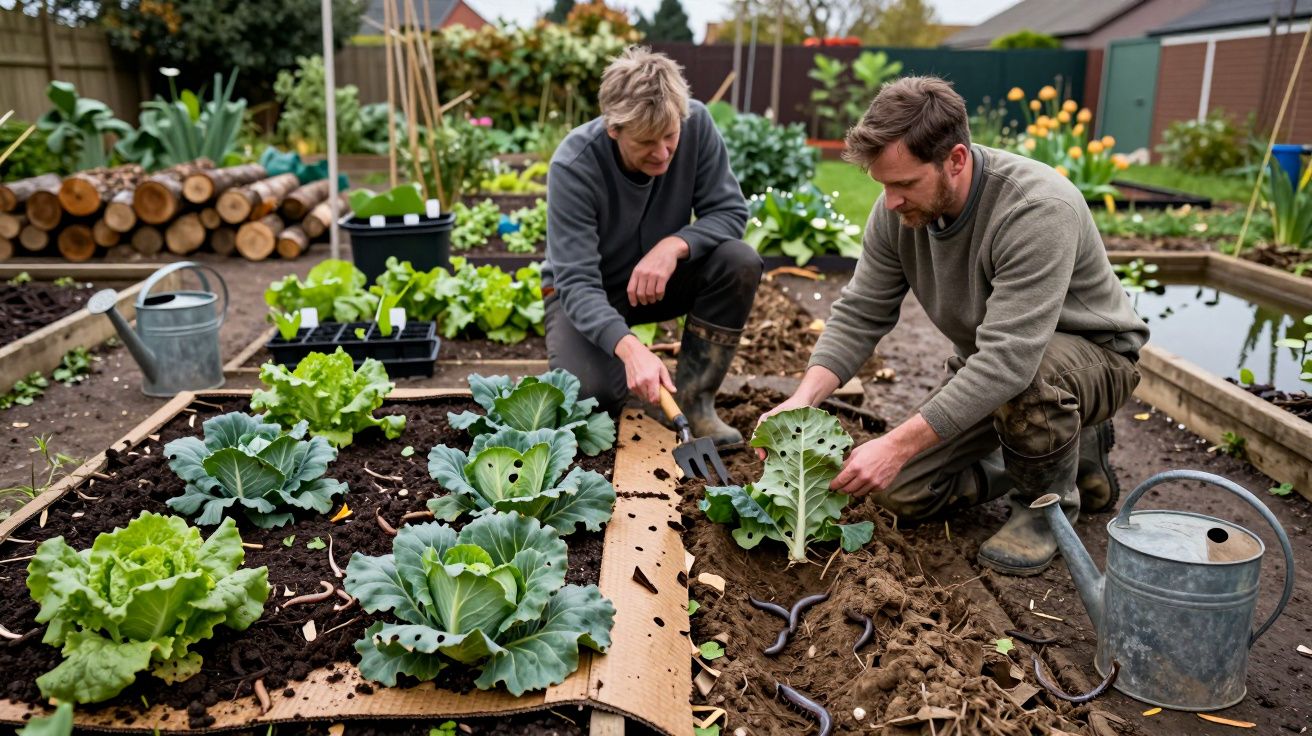
One evening at a community plot in Bristol, two neighbouring growers stood at the boundary between their beds. On the left, a no‑dig rectangle under a thick blanket of compost and cardboard, lettuces sitting smugly in the dark crumb. On the right, traditional rows turned over by spade, soil open to the air. They bent down at the same time to inspect a cabbage. One bed had astonishing, loose earth alive with worms. The other had fewer weeds and, crucially, fewer ragged leaves.
The conversation that followed is happening in gardens across the country: are we protecting the soil or pampering the pests?
Why no‑dig has so many converts
At heart, no‑dig is simple. You avoid turning or double‑digging the soil. Instead, you feed it from above with organic matter-usually compost, manure or leaf mould-letting worms, fungi and roots do the mixing. Plant roots move down; compost and mulch move slowly in. You stand back, mostly.
There are clear upsides. Undisturbed soil holds onto carbon and moisture better, which matters in summers that flip from drought to downpour. Fungal networks stay intact, making nutrients more available to plants. Beds compact less, so you tread on paths and rarely need to fork the ground. Many gardeners report fewer annual weeds, easier planting and better structure in a couple of seasons.
In one trial garden in Kent, side‑by‑side beds were run for years: one dug each winter, the other topped with compost and left alone. Yields stayed the same or higher in the no‑dig beds, while the soil there became darker, spongier, and easier to work with bare hands. The fork stayed mostly in the shed.
The science is friendly, not mystical. Each time you dig, you slice fungal threads, expose microbes to air and light, and wake buried weed seeds. No‑dig reduces that disturbance. Organic matter on top acts like a forest floor: a slow‑release breakfast for the life beneath.
The slug question nobody can ignore
Then there is the other side of the story. Mulch stays damp. Slugs and snails adore damp. Put down a generous, cool blanket of compost or woodchip and you may as well hang out a vacancy sign for molluscs.
On one rainy June, a gardener in Manchester proudly planted out trays of young brassicas into her new no‑dig bed, cardboard and compost laid perfectly. By the next morning, stalks. Not leaves, not frills, just sad green stumps sticking out of immaculate soil. Lifting the edges of the mulch revealed clusters of slugs, dozing as if after a good meal. It felt like a betrayal: she had done the “right”, wildlife‑friendly thing and been punished for it.
This is the tension. No‑dig improves soil life and, often, plant health. But in our slug‑rich, damp UK climate, it can also create perfect cover if you are not deliberate about planting density, crop choice and predator habitat. The question is not “Do slugs like mulch?” (they do) but “Can you stack the odds in favour of your plants anyway?”
How no‑dig changes the whole garden system
Seen properly, no‑dig is not just about putting the spade away. It nudges the whole garden towards a different balance. You rely less on disturbance and more on relationships: between soil organisms, roots, predators and pests.
A thick, living soil supports stronger plants, and stronger plants tolerate a surprising amount of nibbling. Deep mulches moderate temperature and keep moisture even, reducing stress. Over time, habitats for ground beetles, frogs, toads and birds build up around undisturbed beds. These are the quiet slug patrols no packet of pellets can match.
But the transition phase can be rough. The first couple of years, when you have created shelter but your predator population has not caught up, are when many gardeners wobble. They see bites, blame the method and reach for the spade again. This is where design details matter: how you edge beds, what you plant at the margins, how tidy you keep the immediate crown of each plant.
“You’re not just stopping digging; you’re redesigning who lives in your garden,” one long‑time no‑dig grower told me. “If you only roll out the carpet for slugs, don’t be surprised who moves in.”
- No‑dig saves soil structure and life.
- Mulch also shelters slugs, especially in mild, wet climates.
- Predator‑friendly features (ponds, log piles, mixed planting) become essential, not optional.
- The first two years are the wobbly ones.
Slug‑smart tweaks for no‑dig beds
You do not have to choose between soil health and salad. You do need to garden the details. A few small adjustments can shift no‑dig from “slug buffet” to “mostly manageable”.
Start with timing. Slugs love tender new growth. Raising seedlings to a chunkier size before planting, and hardening them off properly, makes a visible difference. Plant out on a dry evening rather than before a rainy night. Water in the morning so the surface is less inviting by dusk.
Next, think layout. Avoid letting mulch press right up against delicate stems. Leave a small, clear collar of soil or sand at the base of each plant so you can spot and remove lurking slugs. Use fewer slug‑loving traps like black plastic pots and dense weed mats right beside beds. Encourage airflow; slugs dislike exposed, dry surfaces.
Physical controls still have a place. Beer traps, copper collars around particularly precious plants, sacrificial “trap crops” of lettuces or marigolds away from your main bed-these are old ideas that play well with no‑dig. So does the unglamorous dusk patrol with a torch and a bucket.
Most crucially, build allies. A small pond, even a buried washing‑up bowl with a brick ramp, invites frogs and newts. A loose log pile harbours beetles that feast on slug eggs. Mixed planting with flowers woven through veg beds brings birds and hoverflies. You are creating an ecosystem, not a display bench.
Is no‑dig for every plot?
Not every garden is the same. Heavy clay, steep slopes, rented plots with limited compost access-context matters. No‑dig asks for a decent amount of organic matter at the start. If you are starting from thin, compacted ground, you might need to build beds gradually, one or two a year, rather than transforming the whole space in one go.
Some crops also respond differently. Root vegetables can fork in the first year if there are undecomposed chunks in the top layer. Deep‑rooting perennials and fruit bushes love the approach, but fine carrots may prefer a dedicated, well‑sieved bed until the soil has settled. Gardeners with terrible back pain or limited time often find no‑dig a relief; those who adore the annual ritual of turning the soil can feel oddly bereft.
The debate is not really “no‑dig or dig” as a moral choice. It is “How much disturbance does this soil, in this climate, with these goals, actually need?” For many UK gardens, the answer is “far less than we thought”, but not “never touch a fork again”.
| Key point | Detail |
|---|---|
| Soil first | No‑dig protects structure, moisture and microbes. |
| Slug risk | Mulch adds shelter; early years can be slug‑heavy. |
| Design matters | Predators, timing and layout tip the balance. |
Where this trend fits in real gardens
In practice, no‑dig shines where people garden little and often. A city balcony with deep containers you top up each year. An allotment with clearly defined beds and paths. A family garden where time is short, but compost is plentiful from kitchen scraps and autumn leaves. You spread, plant, harvest, repeat.
It pairs well with other low‑effort habits. Cardboard under new beds instead of hours of single‑root weeding. Autumn mulching instead of winter digging. Leaving last year’s roots in the ground over winter to rot and feed soil life, cutting stems at the surface rather than yanking everything out. You are swapping intense, disruptive jobs for smaller, quieter ones.
There will still be days when you stare at a row of munched lettuces and mutter unprintable things about molluscs. That does not mean the method has failed. It means the garden is giving you feedback: more variety, more cover for predators, different crops, better timing. The soil, meanwhile, will quietly be getting richer under your feet.
You do not have to be a “no‑dig gardener”. You get to be a gardener who disturbs the soil less, feeds it more, and pays attention to who else shares the space. Start with one bed, one season. Watch what happens, slime and all.
FAQ:
- Does no‑dig mean I never use a spade again? Not quite. You avoid routine turning of whole beds, but you may still use a spade for planting trees, lifting deep roots or creating new beds.
- Will slugs always be worse in no‑dig beds? Not necessarily. Early on, slug damage can spike, but as predator numbers rise and your planting diversifies, many gardeners find things balance out.
- Do I need loads of expensive compost? You need some decent organic matter, but it does not all have to be bought. Home compost, well‑rotted manure, leaf mould and even partially rotted woodchip can all play a part.
- Can I switch an existing veg patch to no‑dig? Yes. Finish your current crops, lay cardboard on bare soil if weeds are a problem, add a generous layer of compost, and start planting into that. Paths stay undug.
- What if my soil is heavy clay? No‑dig can work very well on clay, but give it time. Start with thicker mulches, avoid walking on beds, and expect a couple of seasons before the structure really transforms.





Comments (0)
No comments yet. Be the first to comment!
Leave a Comment