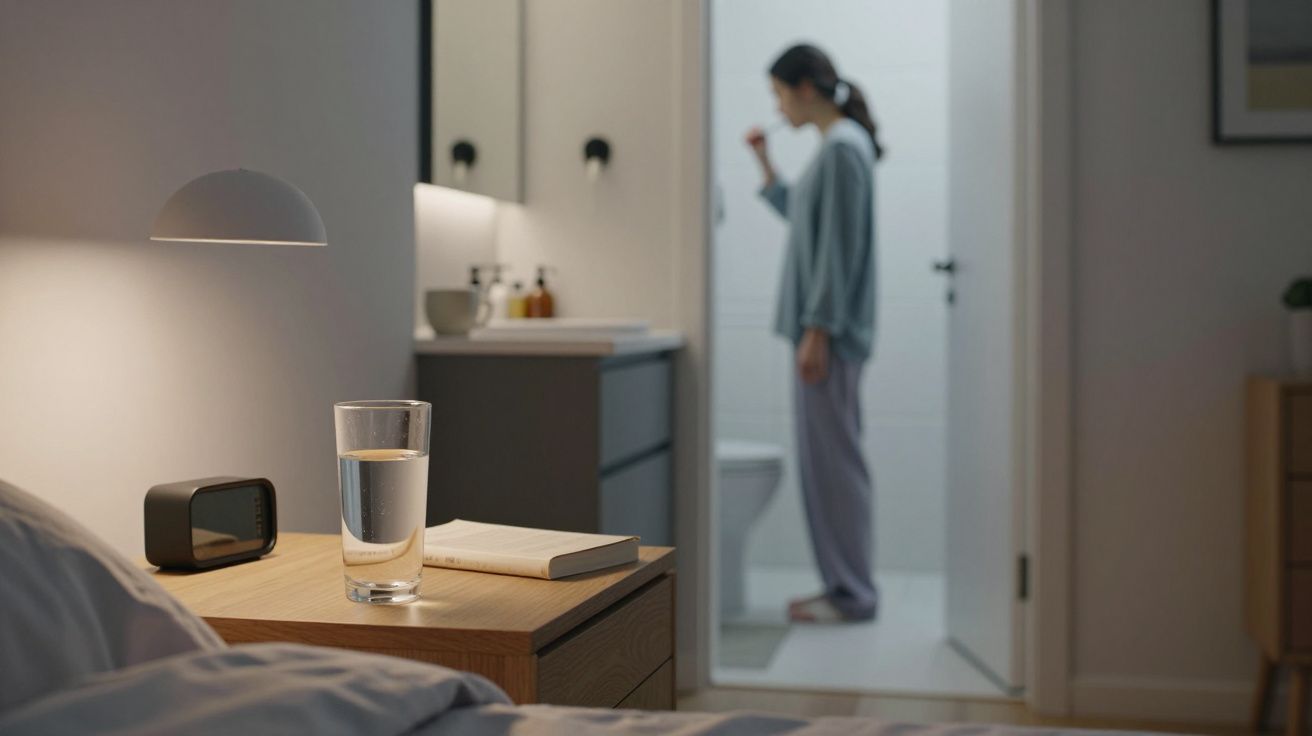
The bedtime drink dentists quietly recommend over herbal tea to avoid night‑time acid damage
You finish your evening, clear the mugs, maybe make a soothing herbal tea and tell yourself you’re doing the “healthy” thing. Then you brush, go to bed and wake up wondering why your teeth still feel a bit fuzzy, your mouth dry, your enamel somehow never quite right. Somewhere between the camomile, the mint and that late‑night nibble, you might be quietly undoing good habits without realising.
Dentists see the pattern every week: patients who avoid fizzy drinks, limit sweets and still show signs of enamel wear, especially on the inner surfaces of the teeth. When they talk through the routine, a common thread appears – the comforting bedtime herbal tea, sipped slowly and often finished just before sleep. For a lot of mouths, that’s the wrong drink at the wrong time.
What many dentists now advise, especially for anyone worried about acid erosion, is far less glamorous and far less Instagram‑friendly than a pretty teapot.
They recommend water.
Why herbal tea isn’t the harmless hero it looks like
Herbal teas sell themselves as clean, calming and gentle. No caffeine, no added sugar, natural ingredients. On the surface, nothing for a dentist to complain about. The problem isn’t the “herbal”; it’s the chemistry.
Many fruit and herbal infusions sit in a surprisingly acidic range. Ingredients like hibiscus, rosehip, citrus peel and berries can push the pH down towards the levels you’d expect from a soft drink. Add in the way we actually drink them – hot, slowly, often in tiny sips over half an hour – and you’ve got a long, gentle acid bath over your teeth just before you lie down.
At night, that matters more. Saliva flow drops as you fall asleep. Saliva is your in‑built buffering system, constantly neutralising acids and washing away food. When you go to bed straight after a mug of acidic tea, you’re asking softened enamel to fend for itself for hours with very little natural protection.
The bedtime drink that feels soothing to your throat can quietly be abrasive to your enamel.
The dentist’s favourite: plain, still water
Plain, still water has no marketing campaign and no comforting aroma. It also has the one feature dentists care about most at night: it is neutral. It doesn’t bring extra acid or sugar into the mouth, and it helps rinse away whatever is left from the day.
Dentists like water at bedtime for three reasons:
- It does not feed the bacteria that cause tooth decay.
- It helps dilute and wash away acids from earlier food and drink.
- It supports saliva’s job instead of competing with it.
In areas with fluoridated tap water, there is an added bonus: every sip delivers a tiny top‑up of fluoride, helping to remineralise enamel. Even without fluoride, the simple act of rinsing away lingering acids and sugars is enough to make a night‑time difference, especially for people with sensitive or already worn teeth.
Many dentists will quietly suggest a small glass of water as the “last thing” your teeth meet at night. If you’re thirsty later, they’ll tell you to reach for the same thing again.
The moment your enamel is most vulnerable
The timing of your last acidic drink matters as much as the drink itself. Enamel is tough, but it isn’t stone. Repeated acid exposure softens its surface, making it easier to wear away with brushing, clenching or grinding.
Night turns a mild habit into a bigger risk:
- Saliva flow drops, so acids linger longer.
- Mouth breathing (from snoring or congestion) dries tissues.
- Teeth grinding in some sleepers adds extra mechanical wear.
Put these together with a pre‑bed herbal tea, especially a fruit blend or anything labelled “zesty”, “berry” or “detox”, and you create a perfect storm. The enamel is softened, the natural defences are on low power, and any grinding works on a surface that’s just been made a little weaker.
That is why dentists groan quietly when they hear “I always have a lemon and ginger tea last thing; it’s my healthy treat.”
How to protect your teeth if you love your evening brew
Dentists rarely ask people to give up small, comforting rituals. Instead, they tend to reorganise them. The question becomes less “tea or no tea?” and more “when, what and what comes after?”
A small shift in timing often does more good than a total ban.
Simple tweaks that make a real difference
- Move herbal tea earlier. Aim to finish any fruit or herbal teas at least 30–60 minutes before brushing.
- Brush after, not before. Brushing removes plaque that holds acids close to the enamel during the night.
- Sip, then rinse. After any acidic drink, finish with a few mouthfuls of plain water to dilute and wash away residues.
- Avoid brushing immediately after acids. If your bedtime tea really must be acidic, wait at least 30 minutes before brushing so softened enamel can reharden slightly.
For people with known enamel erosion, tooth wear or sensitivity, many dentists will advise cutting out fruit teas in the evening altogether and keeping them for earlier in the day, with food.
Night‑time drinks, at a glance
Different popular “healthy” drinks land very differently in a dentist’s chair. Some are mostly fine in the daytime but risky at night. Others are simply difficult for teeth at any hour if they’re sipped often.
| Drink near bedtime | Dental impact | Dentist’s view at night |
|---|---|---|
| Plain still water | Neutral pH, rinses mouth, no sugar | Safest option; quietly recommended |
| Unsweetened camomile / mild herbal without fruit or citrus | Often mildly acidic but less so than fruit teas | Better earlier in evening; rinse with water after |
| Fruit / berry / lemon herbal teas | Can be quite acidic; often sipped slowly | Avoid right before sleep; keep for daytime with food |
These are broad patterns, not exact rules; actual acidity varies by brand and brew strength. Many dentists will still nudge you towards water once you’ve brushed, regardless of what you drank earlier.
Where brushing, mouthwash and fluoride actually fit in
Another quiet misconception in evening routines is the order of brushing and rinsing. People often stack products without thinking about how they work together.
Dentists generally suggest:
- Finish food and any acidic drinks.
- Wait around 30 minutes if you’ve had something notably acidic.
- Brush thoroughly with fluoride toothpaste.
- Spit out the foam, but do not rinse vigorously with water straight away.
- If you use a fluoride mouthwash, use it at a different time of day, not directly after brushing.
That “do not rinse” line matters. Rinsing straight away washes concentrated fluoride off the teeth. Letting a thin film sit on the enamel gives it time to work, especially overnight. After brushing, the only drink that really fits this plan is small sips of plain water if you’re thirsty.
The last thing your teeth feel at night should be fluoride and calm, not fruit acids and sugar.
Small changes that add up over years
Enamel erosion rarely arrives as a dramatic moment. It creeps in through dozens of small, often well‑intentioned habits: the constant sipping, the “healthy” drinks, the late‑night citrus slice in hot water. Each by itself feels trivial. Over years, especially on already thin enamel, they start to show as transparency on the edges of front teeth, cupping on biting surfaces and increasing sensitivity to cold.
Switching your final drink to water is not a miracle cure. It will not reverse deep wear that has already happened. What it does is quietly remove one of the most common night‑time triggers, giving your teeth a gentler environment while you sleep.
Dentists notice the difference most clearly in patients who combine that simple shift with:
- Consistent fluoride toothpaste use.
- Regular dental check‑ups and hygiene visits.
- Limited between‑meal snacking and sipping.
- Managing reflux or heartburn with their GP, if present.
Taken together, these habits turn the night from a risk period into a repair window.
A practical way to reset your bedtime routine tonight
If you’re wedded to your evening mug, you don’t have to abandon it tomorrow. Start with one change: choose a cut‑off time. Decide that, say, 9pm is the latest your teeth will see anything but water. Have your herbal tea before that, brush later, and keep a small glass of water by the bed.
After a week or two, most people find the water habit feels normal. The tea becomes part of the evening, not the final act. Your dentist may never know you made the change, but your enamel will.
FAQ:
- Do I really have to give up herbal tea completely at night? Not necessarily. Dentists mainly want it earlier in the evening, not as the very last thing before sleep, and they prefer non‑fruit, non‑citrus blends if you must drink them late.
- Is hot water with lemon just as bad as fruit tea? From an enamel point of view, it can be. Lemon is acidic, and sipping it slowly can contribute to wear, especially before bed.
- Does sparkling water cause the same problems? Sparkling water is slightly acidic, so dentists usually recommend plain still water at night, particularly for people with sensitive or already‑worn teeth.
- What if I wake up thirsty in the night? Keep a glass or bottle of plain still water by the bed. It hydrates without adding acid or sugar while your saliva flow is low.
- Can special ‘enamel repair’ toothpastes replace these changes? They can support remineralisation, but they can’t fully undo ongoing acid damage. Using them alongside a gentle night‑time routine, with water as your last drink, offers far better protection than relying on toothpaste alone.

Comments (0)
No comments yet. Be the first to comment!
Leave a Comment