The tea you should never drink right after taking medication, pharmacists caution
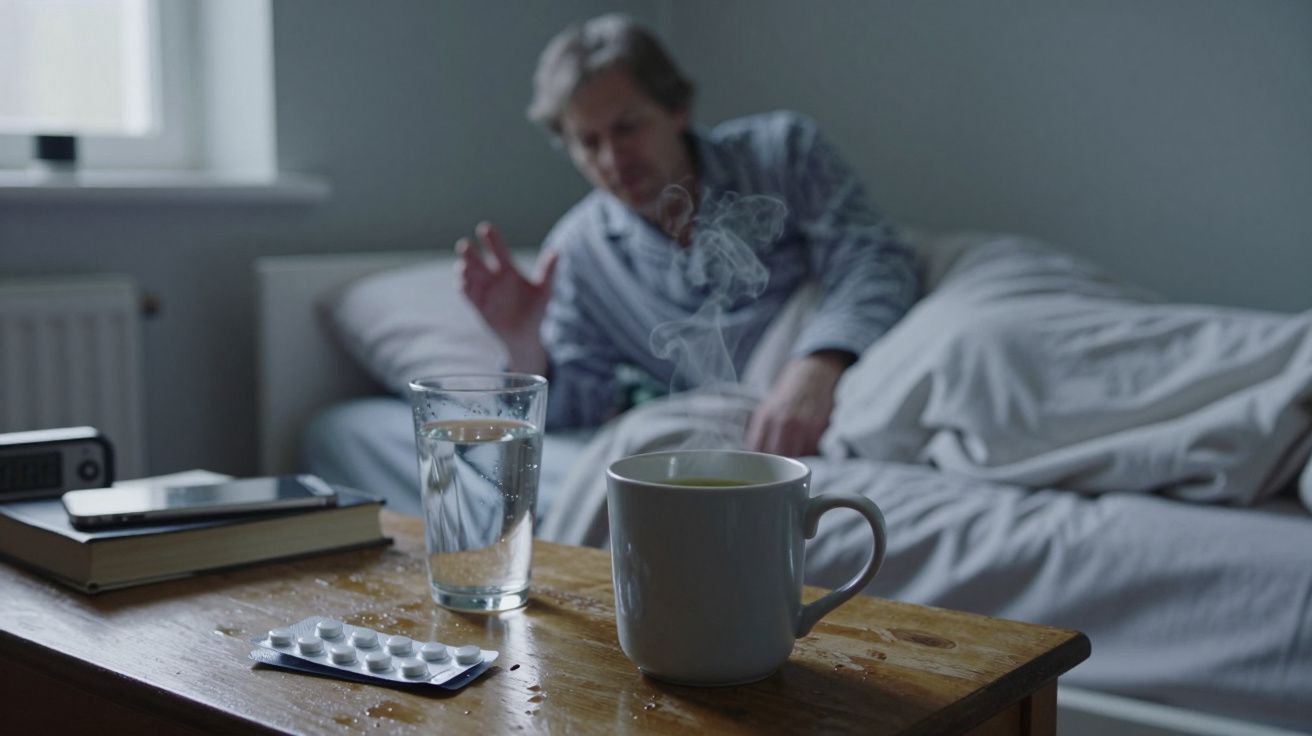
The mug was still steaming on the bedside table when the pharmacist’s words came back to her: “Just don’t take it with green tea.” Too late. The tablet was already swallowed, chased down with three quick gulps of something she’d always thought counted as “just water with flavour”.
That tiny, everyday scene is where the problem lives. We remember not to mix tablets with wine, we know to be careful with grapefruit juice, but a “healthy” tea feels harmless. For some medicines, it really is not.
The trap of the “healthy” cuppa
In Britain, tablets and tea often meet in the same five‑minute window. Morning meds, kettle on, first sip before you’ve even fully opened your eyes. It feels comforting, almost virtuous, especially if the cup holds green tea or a strong herbal infusion.
Pharmacists see the other side. Certain teas can change how your body handles medicines - slowing absorption, speeding it up, or blocking it almost entirely. The danger is not usually dramatic on day one. It is the slow, quiet drift: blood pressure creeping back up, thyroid levels going off balance, painkillers not touching the pain.
The biggest surprise for many patients is that the most “wellness‑branded” tea on the shelf is often the one that causes the headaches in the dispensary.
The one to avoid right after tablets: strong green tea
Green tea’s reputation rests on antioxidants and gentle caffeine. Those same plant compounds - particularly the catechins and tannins - are what make pharmacists wary when they hear “I always take my tablets with a big mug of it”.
In simple terms, strong green tea can cling to certain drugs in the gut or nudge the liver and kidneys into handling them differently. Swallowing your medicine and then immediately bathing it in a highly concentrated brew is not what most clinical trials were based on.
The general rule many pharmacists use in practice: do not take medication with green tea, and avoid drinking it for at least one to two hours either side of key doses, unless your prescriber says otherwise.
That advice becomes stricter with a handful of specific drugs, where the interaction is better documented and potentially more serious.
Where green tea really raises red flags
Not every medicine is affected in the same way. But there are categories that come up again and again across pharmacy counters:
Blood pressure and heart medication
Green tea can interfere with the levels of some beta‑blockers and blood pressure tablets. For a person carefully titrated to a stable dose, a daily pot of strong green tea taken alongside pills can quietly undo months of good work.Blood thinners (anticoagulants)
The vitamin K content and plant compounds in some green teas may clash with drugs such as warfarin, making blood either too “thin” or not thin enough. Even small swings matter when you are trying to prevent clots or bleeding.Stimulant‑type medicines
Green tea contains caffeine. For people on ADHD medication, certain antidepressants or other stimulants, that extra jolt can push heart rate and sleep off‑kilter. Taken together, they can edge you closer to palpitations and jitteriness.Iron and some mineral supplements
Tannins in green tea bind iron, especially non‑haem iron from tablets. Swallowing your iron with a strong brew is a neat way to stop it ever reaching your bloodstream. Over months, that can mean fatigue that never quite lifts.Thyroid medication
Levothyroxine and similar drugs are notoriously fussy. They absorb best on an empty stomach, with plain water. Green tea - or any tea, really - taken close to the dose adds another layer of interference you do not need.
If you recognise yourself in one of these groups, the safest default is simple: tablets with water, green tea later.
Why your pharmacist keeps saying “with water only”
At first, it sounds fussy. Water, not juice. Water, not tea. But that insistence hides a very practical logic. Most medicines are studied, dosed and approved based on being taken with plain water and a more or less empty, predictable stomach.
Every other liquid adds variables: acidity, sugar, caffeine, plant chemicals, minerals. Those tiny differences can shift how quickly the tablet dissolves, how much of the drug crosses your gut wall, and how your liver enzymes respond.
Tea - especially black and green - also brings tannins. These can:
- Form complexes with some drugs and minerals, making them harder to absorb.
- Irritate sensitive stomachs when combined with certain painkillers.
- Boost or blunt caffeine‑like effects, depending on the mix.
The “water only” rule is a quiet way of removing dozens of potential interactions in one sentence, without turning your morning routine into a chemistry exam.
Other drinks that don’t play well with pills
Green tea is not the only culprit, just the one that often hides under a health halo. Pharmacists routinely caution against three other common partners for tablets:
| Drink | Main issue | Safer habit |
|---|---|---|
| Grapefruit juice | Strong effect on liver enzymes; can greatly raise or lower drug levels | Avoid entirely if on affected meds; ask your pharmacist |
| Milk / dairy shakes | Calcium binds some antibiotics and thyroid drugs | Leave 2–4 hours between dose and dairy |
| Strong black tea or coffee | Caffeine clash with stimulants; tannins affect iron | Take meds with water, enjoy hot drinks later |
The pattern is the same: the closer in time the drink is to the pill, the more likely it is to matter. A cappuccino two hours after your tablet is different from washing the tablet down with it.
A simple timing plan that works in real British life
You do not need a colour‑coded chart on the fridge. A few simple tweaks cover most everyday situations without stripping tea out of your life.
For once‑daily morning medicines such as blood pressure tablets or levothyroxine:
- Keep a glass of water by the bed or in the kitchen.
- Take your tablets with that water as soon as you wake.
- Set a mental or phone timer for 30–60 minutes.
- Have your breakfast and any tea or coffee after that window.
For lunchtime or evening doses:
- Take the tablet with a full glass of water.
- Give it at least 30 minutes before any strong tea, coffee, or a heavy meal, unless your doctor has advised taking it with food.
If your lifestyle or job makes that hard - early shifts, care duties, unpredictable breaks - tell your pharmacist honestly. They would much rather help you find a workable routine than discover, six months later, that your carefully prescribed medicine was mostly marinating in tannin.
Herbal teas: gentle or just differently risky?
The box might say “caffeine‑free” and look innocent, but herbal infusions bring their own chemistry. Most are mild in normal amounts, yet a few deserve caution, especially right on top of medication:
- St John’s wort tea can strongly affect how your liver processes drugs, from antidepressants to the pill. Many pharmacists treat it almost like a medicine in its own right.
- Liquorice root tea can raise blood pressure and lower potassium if drunk in large amounts, clashing with heart and blood pressure medicines.
- Strong detox blends often mix several herbs with diuretic or laxative effects. Taken close to tablets, they can rush medicine through before it has much chance to absorb.
If a herbal tea promises energy, cleansing, hormone balance or mood support, treat it as a product that might interact. Keep it away from your pill times, and mention it when you are asked what you are taking.
Calmer options - such as plain chamomile, peppermint or rooibos - are less likely to cause serious interactions, but the safest rule still stands: swallow tablets with water, keep all teas a little distance away.
The quiet question to ask at the counter
The next time you collect a new prescription, one short sentence can save you a lot of trial and error: “Is there anything I shouldn’t drink this with?” That invites the pharmacist to think beyond alcohol and grapefruit, and into the territory of your everyday mug.
Tell them honestly what your habits look like:
- “I always have a big green tea with breakfast.”
- “I can’t function without a strong builder’s at 6am.”
- “I’m drinking a lot of herbal detox tea at the moment.”
They can then shape the timing of your doses around the life you actually live, not an imagined one with silent kitchens and empty worktops.
Medicines work best when they are taken as prescribed and allowed a clear run through your system. That clear run usually looks like a glass of water and a little space before the kettle sings.
FAQ:
- So, can I never drink green tea if I’m on medication?
Not necessarily. In many cases you can still enjoy green tea, just not as the liquid you use to swallow tablets or in the hour or two around key doses. For certain high‑risk drugs, your doctor or pharmacist may advise avoiding it altogether.- Is black tea just as bad as green tea?
Black tea carries tannins and caffeine too, so it can interfere with iron and some medicines in a similar way, though the research focus has been stronger on green tea. As a safety habit, avoid using any strong tea to take tablets.- Does this apply to over‑the‑counter painkillers as well?
Yes, to a degree. It is always safest to take paracetamol, ibuprofen and similar medicines with water. Strong tea or coffee may irritate the stomach more and, in the case of ibuprofen, slightly raise the risk of indigestion.- What if I forgot and took my tablet with green tea once?
One accidental dose is unlikely to cause serious harm for most people. Do not double up. Just take the next dose at the usual time with water, and try to separate tea and tablets in future. If you take blood thinners or heart medicines and feel unwell, seek medical advice.- Who needs to be extra careful?
People on blood thinners, heart or blood pressure drugs, thyroid medication, strong antidepressants, transplant medicines, chemotherapy or anti‑rejection drugs should be especially cautious. Always check drink interactions with your pharmacist if you are in one of these groups.




Comments (0)
No comments yet. Be the first to comment!
Leave a Comment