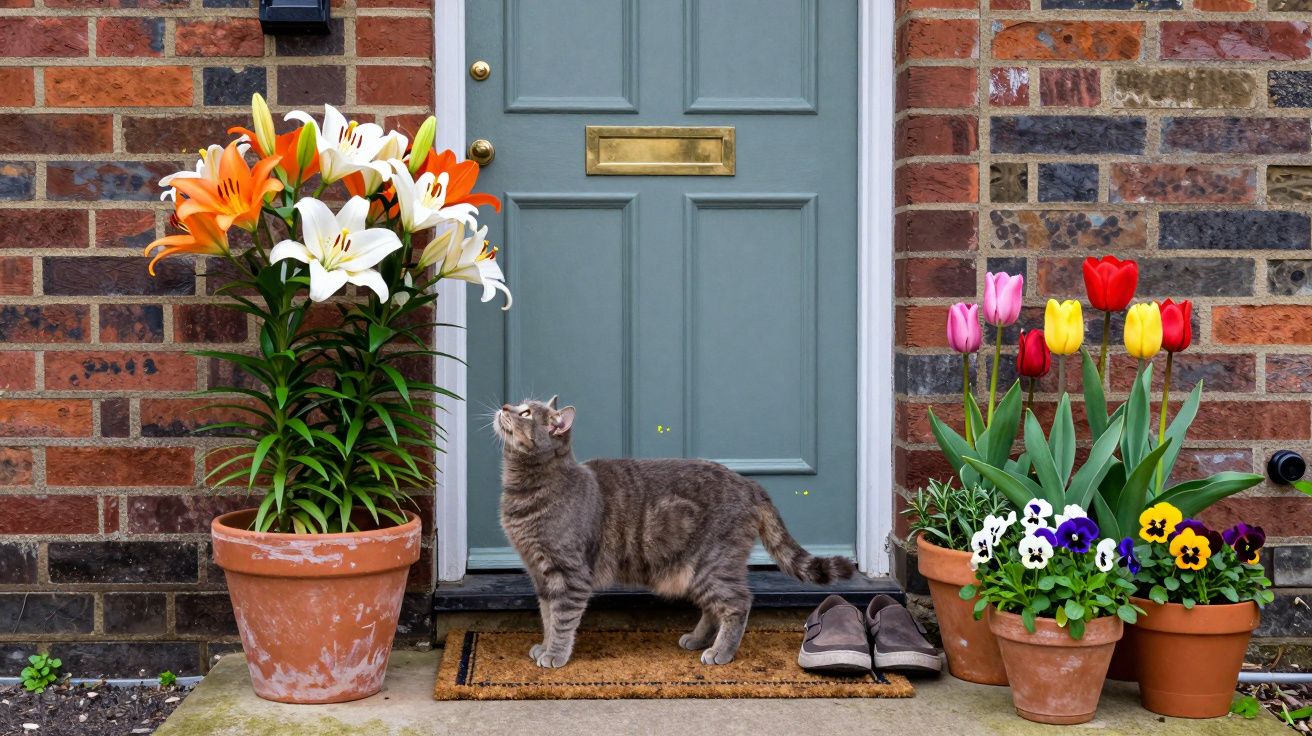
This common garden flower is toxic for cats – and most owners have it in pots by the door
The pots by the front step look harmless: tight green spears in spring, then blowsy trumpets of colour when the year warms up. You tuck in bulbs each autumn, forget them, then smile when they rise again. For many UK homes, especially small front gardens and balconies, they are the only flowers in sight.
They are also one of the most common causes of severe plant poisoning in cats.
We are talking about lilies – and not just the dramatic bouquet ones. Many ordinary patio and border lilies contain toxins that can shut down a cat’s kidneys even in tiny amounts. The risky part is that cats do not need to chew a whole stem. Pollen dust or a quick lick of a damp leaf can be enough.
Lilies are beautiful, cheap and everywhere – which is exactly why they cause so many emergency vet visits.
Why lilies are so dangerous for cats
The problem with lilies is not a single dramatic compound you can rinse away. In true lilies (Lilium species) and daylilies (Hemerocallis), the whole plant is toxic to cats: petals, leaves, pollen, stems and even the water in the vase. Dogs can get an upset stomach from lilies; cats can go into kidney failure.
Cats are fastidious groomers, so pollen that lands on their fur almost always ends up in their mouth. A cat that brushes past your doorstep pot, then settles down for a wash, can ingest more than enough to cause trouble. Indoor cats are not safer if you bring a flowering stem inside or keep bouquets near their favourite sleeping spots.
Signs often start quietly: a bit of drool, a refusal of food, one or two bouts of vomiting. Within 24–72 hours, toxins can damage kidneys so badly that the cat stops weeing, becomes weak and may collapse. At that point, treatment is harder, longer and more expensive. Early action, sometimes just hours after exposure, makes the biggest difference.
The lilies on your doorstep – and what’s actually safe
Walk down any British street in late spring and you will see a mix of bulbs and patio pots. The trouble is that “lily” is used for many different plants, and not all carry the same risk. Some are deadly to cats; others simply share the name.
Here’s a quick guide for common garden and doorstep plants:
| Plant / group | Risk to cats |
|---|---|
| True lilies (Lilium – Asiatic, Oriental, Easter lily, tiger lily) | Highly toxic – avoid entirely |
| Daylilies (Hemerocallis, often in tubs or borders) | Highly toxic – avoid entirely |
| Lily pollen or vase water indoors | Highly toxic – remove immediately |
| Peace lily (Spathiphyllum) | Irritating, not kidney-fatal, still best avoided |
| Peruvian lily / Alstroemeria | Generally safer but can cause stomach upset |
| “Lily of the valley” (Convallaria) | Different plant, heart‑toxic to pets – also avoid |
Labels are not always clear, and mixed bulb packs can muddy things further. If you see “Lilium” or “Hemerocallis” on a tag, treat the plant as unsafe for cats. “Lily of the valley” looks delicate and wildflower‑like, but its cardiac glycosides can affect the heart in both pets and people, so it belongs firmly out of reach too.
Peace lilies, common as houseplants and sometimes summered outside, mostly irritate rather than destroy organs, but cats that chew them can drool, paw at their mouth and vomit. For many owners, that is reason enough to pick alternatives.
How lilies put cats at risk in ordinary homes
The risk is rarely a cat demolishing a whole flowerbed. It is the everyday habits that add up. Many people stand doorstep pots just where pets squeeze by. Faded lily heads drop pollen on steps and mats. Children pick flowers and lay them on the floor for “tea parties” with the family cat.
Inside, bouquets are often parked on the dining table or a narrow windowsill, right where cats like to explore. Flower food sachets go into the vase, and water gradually turns yellow with pollen. A cat that drinks from the vase, or even from a nearby glass that has caught fallen pollen, can get a concentrated dose.
Gardeners sometimes dead‑head lilies, then place the trimmings on compost heaps or open soil ready for the next trip to the green bin. Outdoor cats walk across the pile, pick up pollen, and later groom it off in the sun. It looks like a slow, calm afternoon. It is not.
Indoor‑only cats can be hit too when bulbs are forced in pots on the windowsill. Leaves arch over radiators and sofas. A bored cat whacks the flower, pollen drops, and the problem begins. Most owners never realise the link until a vet asks what flowers are in the house.
The danger is not rare, exotic varieties – it is the bog‑standard lily bulbs on the discount shelf in autumn and the supermarket bouquet in March.
Simple swaps that keep colour without the risk
You do not have to strip every pot bare to keep your cat safe. You do, however, need to be decisive about lilies and a few close cousins. Think of it as editing your doorstep and windowsills with a cat’s nose and paws in mind.
For bright spring pots, swap lilies and lily of the valley for:
- Tulips, crocus and daffodils (still mildly toxic if eaten in volume, so supervise diggers, but they lack the lily‑level kidney risk)
- Grape hyacinths (Muscari), which bring strong blue and scent with lower concern
- Pansies, violas and primroses for low, long‑lasting colour
For summer containers and doorstep displays, choose:
- Geraniums (pelargoniums), petunias and calibrachoa
- Marigolds, snapdragons and lobelia
- Herbs like thyme, rosemary and chives for scent and bees (keep chive nibbling in check if your cat is a plant chewer, as alliums can upset tummies)
Indoors, if you like cut flowers:
- Ask florists to build you a “no‑lily” bouquet and remove any lily stems from mixed bunches immediately
- Rinse vases and change water often, and keep arrangements on surfaces cats cannot access
The aim is not a sterile, plastic garden, but a set of pots and beds that do not rely on one high‑risk plant for drama. Many cat owners find that once lilies are gone, they enjoy experimenting with textures and scents they would never have tried.
What to do if your cat meets a lily
Speed matters more than calm tidiness here. If you suspect your cat has brushed against, chewed or drunk from anything containing lilies, move quickly and do not wait for symptoms “just to see”.
Take these steps:
Remove access
Move the cat away from the plant or bouquet. Shut doors if you must so they cannot go back.Clean the fur and face
Use a damp cloth or kitchen paper to gently wipe off visible pollen, especially around the face and paws. Do not use sprays or shampoos unless a vet advises; you just want the dust off, not new chemicals on.Ring your vet immediately
Tell them it is a possible lily poisoning, your cat’s weight, and roughly when exposure happened. Poison helplines can also advise, but do not let a phone queue delay you reaching a vet in person.Take the plant or a clear photo with you
A label or the whole flower head helps the vet identify the species. This matters because treatment decisions depend on whether it is a true lily, a daylily, a peace lily, or something else entirely.
Do not try to make your cat vomit at home. Human methods (like salt) can cause more harm. Vets have fast‑acting drugs and fluids that protect the kidneys if they are given soon enough. Waiting overnight can be the difference between a brief hospital stay and permanent kidney damage.
How to cat‑proof your doorway and garden
Once you have removed lilies, a few small habits make life easier and safer. Think of them as the cat‑friendly version of keeping soil mulched or a washing machine free of gunk: simple routines that block problems before they start.
Audit once per season
Walk your garden, balcony and doorstep with a plant‑ID app or a knowledgeable friend. Photograph anything labelled “lily” or that looks suspicious and check its Latin name.Choose labels deliberately
When buying bulbs or patio pots, flip labels and scan for “Lilium”, “Hemerocallis” or “Convallaria”. If you see them, leave the tray on the shelf and pick something else.Keep compost heaps and green bins covered
Do not toss lily heads or stalks where cats walk or sunbathe. Bag them and put them directly into the council green waste bin with the lid closed.Share the message
Let neighbours, cat‑sitting friends and family know that lilies are an issue, especially around Mother’s Day, Easter and funerals, when bouquets are common.
None of this strips the joy out of gardening. It simply swaps a few high‑risk staples for plants that look just as good but do not land your cat in an oxygen cage.
FAQ:
- Which lilies are the most dangerous to cats? True lilies (Lilium species such as Asiatic, Oriental, Easter and tiger lilies) and daylilies (Hemerocallis) are the main culprits. In cats, they can trigger severe kidney failure from ingesting very small amounts.
- Is it enough to just remove the pollen? No. Every part of toxic lilies is risky to cats, including petals, leaves and vase water. De‑pollenating flowers reduces staining on tablecloths, not the danger to pets.
- Are lilies safe if my cat never goes outside? Not reliably. Indoor cats can brush against bouquets, drink from vases or knock over pots. If you live with a cat, it is safest to keep true lilies and daylilies out of the home altogether.
- What about peace lilies and “fake” lilies? Peace lilies usually cause mouth irritation and drooling rather than kidney failure, but many owners still avoid them. Plants marketed as “Peruvian lilies” (Alstroemeria) are generally lower risk but can upset stomachs if chewed.
- My cat touched a lily but seems fine – can I watch and wait? Waiting is risky. Kidney damage can develop before clear signs appear. If there is any chance your cat has ingested lily material or pollen, contact a vet immediately and follow their advice.






Comments (0)
No comments yet. Be the first to comment!
Leave a Comment