Why tucking jeans into socks at home is the surprisingly effective tick‑prevention tip walkers use
The tick didn’t look like much. A dark speck on my sock, stubborn as lint. I was halfway through making tea when it moved. Ten minutes earlier I’d been walking the dog along a damp strip of grass wedged between a car park and the river. Hardly “deep countryside”. Hardly “tick country”, I’d thought.
I did what everyone does: panicked, Googled, remembered you shouldn’t burn or twist, then realised the most useful thing I’d done that morning was the silliest-looking. I’d tucked my jeans into my socks before we left the house. Not for style. For peace of mind.
We tend to file ticks under “camping problem” or “holiday in the Lakes”. Yet more walkers and dog owners quietly have a home habit that looks faintly ridiculous and works: the sock tuck.
The tiny, ugly trick that works better than you’d think
The idea is brutally simple. Ticks usually climb up from low vegetation. They grab your trouser leg, explore upwards, then look for skin. When your jeans vanish into your socks, you remove the easy ramp and force them to reveal themselves on the outside instead.
Out on the path it feels like a faff. Back in the kitchen, with a tick crawling on the outside of your cotton instead of feeding behind your knee, it feels like genius. That tiny change in fabric and route gives you time: time to brush them off, time to spot the ones that made it indoors, time to shower them away.
This isn’t just something your over-cautious uncle does before striding into bracken. Seasoned ramblers, dog walkers, rangers and parents of muddy children use it quietly, especially from late spring to early autumn. They’re not promising perfection; they’re buying themselves a better chance.
Why ticks are everyone’s problem now
Ticks like three things: warmth, moisture and hosts that carry them from meal to meal. That used to mean “woodland and livestock”. Now it increasingly means “your local park at 8am”.
Milder winters and longer warm spells mean ticks stay active for more of the year. Deer, foxes and hedgehogs wander further into towns. Dogs ride home on car seats and sofas. A hedgerow that used to be dull shrubbery is now a tiny commuter belt for parasites.
We also spend more time in borderline zones: the scrubby edge of a playing field, the footpath through the allotments, the overgrown verge your dog finds irresistible. Ticks don’t care whether you’re bagging a Munro or chucking a ball before work. They wait at grass height, front legs raised, ready to latch on to whatever brushes past.
The risk from a single bite is still relatively low, but the stakes are high enough. Lyme disease, anaplasmosis and other tick‑borne infections can cause months or years of trouble if they slip past unnoticed. The aim isn’t to fear every blade of grass. It’s to not offer ticks an easy, fabric-covered escalator.
What the sock tuck actually changes
Think of your lower half as “tick infrastructure”. Loose trouser cuffs and open trainers are like a series of bus stops. Ticks climb aboard low and travel upwards in comfort, hidden in folds where you never look.
Tucking jeans into socks does three things at once:
- Blocks the entry point. The gap between your hem and your shoe disappears. There’s no easy way under your trousers, which is where ticks would prefer to be.
- Moves them into view. Any tick that does manage to grab on is now exploring the outside of a relatively smooth surface. You’re far more likely to spot or feel it when you change.
- Buys checking time at home. When you peel your socks off, you automatically glance at them. That’s usually when the hitchhikers show up. A quick lint-roll level of attention stops them wandering onto furniture or skin.
It isn’t glamorous. It doesn’t fit neatly with a carefully chosen walking outfit. But like wearing a helmet on a short cycle or using oven gloves for one tray, it morphs from “fussy” to “obvious” the first time it saves you.
How walkers quietly build a “tick routine” at home
The sock tuck is part of a wider rhythm people who spend time outdoors adopt almost without thinking. It’s less about one magic habit and more about a small chain, most of which happens once you’re back indoors.
Here’s the version I borrowed from a mountain leader and a dog walker who lives near a deer park:
Before you go out
- Dress for defence, not drama. Long trousers, long sleeves if you can bear it, light colours so you can see dark specks. Then, yes: jeans or walking trousers tucked firmly into socks.
- Spray the right bits. If you use repellent, aim for socks, shoes and lower trouser legs rather than just bare skin. Check it’s suitable for fabrics and pets.
- Sort the dog. A tick treatment recommended by your vet, plus a quick brush before you set off if their coat collects every leaf going.
As you come back in
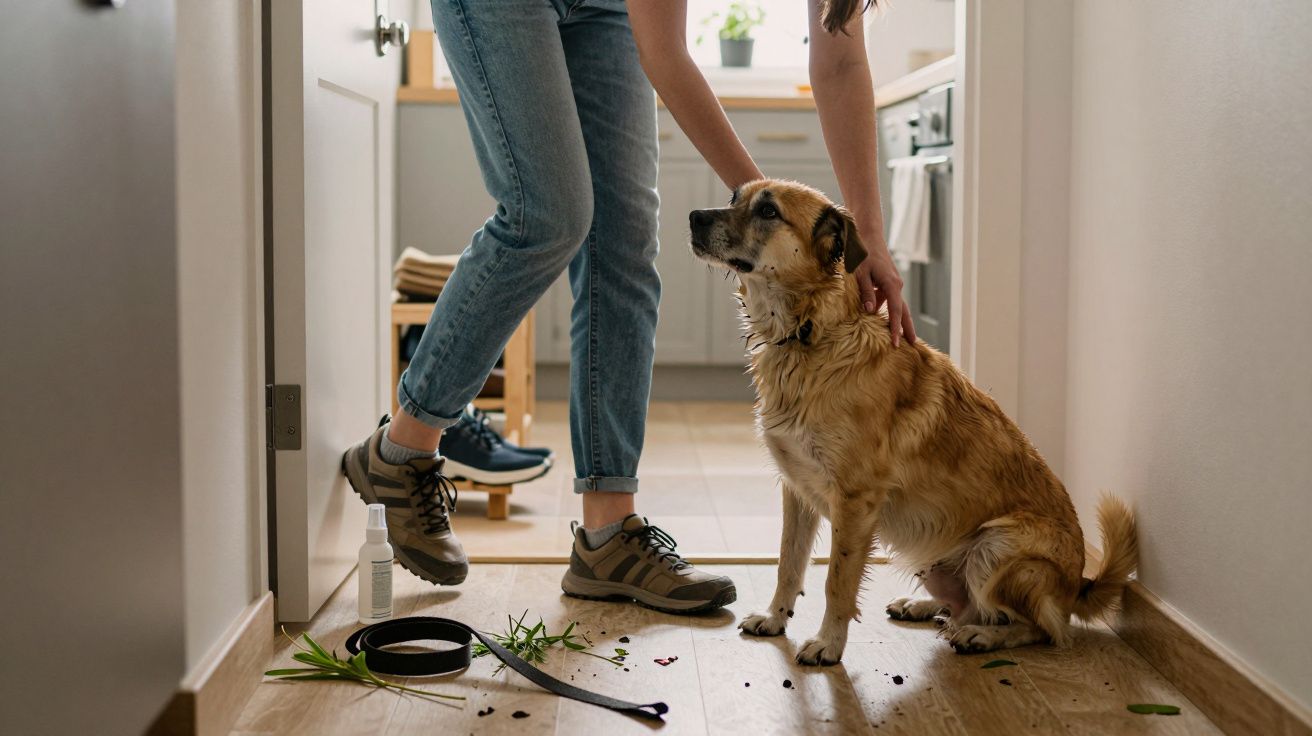
- Pause on the threshold. Brush off mud and plant bits outside if you can. Run a quick hand over socks and lower legs. This takes ten seconds and catches more than you’d think.
- Do the “hallway check” instead of the “hallway scroll”. When you kick your shoes off, glance at your sock cuffs, ankles and the backs of your knees. It’s the same pause you’d use to read a notification, directed at your skin instead.
- Give the dog a once‑over. Ears, collar line, armpits, hind legs and tail base. Ticks are sneaky but not very imaginative; they like the same warm creases over and over.
Later the same evening
- Shower with intention. Warm water and a flannel do two jobs: they wash off unattached ticks and force you to look at skin you’d otherwise ignore. Focus on scalp line, behind knees, groin and waistband area.
- Park the walking clothes. Instead of flinging them on a chair, drop them straight into the laundry or a lidded basket. That removes the “tick migration” route to beds and sofas.
None of this is heroic. It’s five or ten extra minutes, rearranged. The sock tuck is just the quiet anchor than makes the rest easier to remember.
The signs walkers look for (and where ticks actually hide)
Ticks start tiny. The smallest feeding stage, the nymph, is roughly poppy‑seed sized. Adults are bigger but still easy to miss until they’ve fed for a while. People who find them early aren’t blessed with superhuman eyesight; they simply know where to look and what “not quite right” feels like.
Common hideouts on humans
- Hairline and scalp, especially behind the ears.
- Backs of knees.
- Groin and waistband.
- Under bra straps and sock cuffs.
- Around the armpits.
Common hideouts on dogs
- Inside and behind ears.
- Under the collar or harness.
- Between toes.
- Armpits and inner thighs.
- Around the tail.
A tick that has latched on will feel like a tiny raised bump, often harder than a spot and not especially tender at first. On pale skin, you may see a dark dot with a slightly paler ring. On darker skin, the contrast is lower; touch becomes more important than sight.
Walkers often describe a kind of “thumbprint sweep”: using the pads of the fingers to move slowly over the skin, noticing anything that interrupts the usual landscape. It sounds fussy. With practice, it takes less time than hunting for your keys.
Doing ticks without drama
The fear around ticks often swings between two unhelpful extremes: shrugging them off as “overblown” or spiralling into worst‑case stories. The people who manage them best sit quietly in the middle. They accept that:
- Ticks exist on most landscapes with wildlife and long grass.
- Most bites do not lead to serious illness.
- Early removal and a short period of watchful common sense tilt the odds strongly in your favour.
So the routine becomes practical rather than panicked. Sock tuck on, walk, brush off, shower, glance at the bite site for a few weeks. If a rash appears, especially a spreading one, or you feel unwell, you speak to a clinician and mention the bite. No guilt about not being “perfect”. No shame about enjoying muddy fields.
The home habits help precisely because they are boring. You attach them to what you already do: putting the kettle on, getting changed, hosing the dog. The sock tuck is just the starter’s flag that says: I’m treating this like part of the walk, not an optional extra.
The tiny science, in human
Ticks don’t jump or fly. They “quest”: climbing to the tip of grass or low plants, then holding their front legs out to grab passing hosts. They sense breath, warmth and movement. When cloth passes, they hook on and climb towards where the air is warmest and the skin thinnest.
Your trouser leg is a vertical motorway. The sock tuck is the roadblock.
Light-coloured, tighter-weave fabrics make that climb more exposed. Sprays that contain DEET, picaridin or certain essential‑oil blends make the route unappealing or confusing. Gravity in the shower plus friction from a flannel removes those that haven’t bitten yet. None of these tools need to be perfect alone. Together, they create a gauntlet the tick is less likely to finish.
After all the reading and experimenting, I ended up with one line taped inside the shoe cupboard: I can love long walks and still tuck my jeans into my socks. It’s low‑tech, faintly silly and oddly comforting. The ticks don’t care what you look like. You might as well dress for the life you want and the parasites you have.
FAQ:
- Is tucking jeans into socks enough to stop ticks completely? No single measure is perfect. The sock tuck mainly blocks the easiest entry point and makes ticks easier to spot. Combine it with repellent, checking your skin and showering to reduce your risk significantly.
- Won’t I look ridiculous walking like that? Possibly. Many people tuck trousers while they’re in long grass, then untuck in town. Most seasoned walkers care more about avoiding bites than about looking chic on the towpath.
- Does this work with leggings or running tights? Close‑fitting fabrics are already harder for ticks to crawl under, but they can still travel up. Tucking the ankle into a sock or wearing long socks over the bottom edge adds another barrier.
- What if I find a tick attached after all this? Remove it promptly with fine‑tipped tweezers or a tick tool, gripping close to the skin and pulling straight out. Clean the area, note the date and watch for symptoms or a rash over the next few weeks. If anything worries you, speak to a healthcare professional and mention the bite.





Comments (0)
No comments yet. Be the first to comment!
Leave a Comment